Gunther von Hagens plastinated
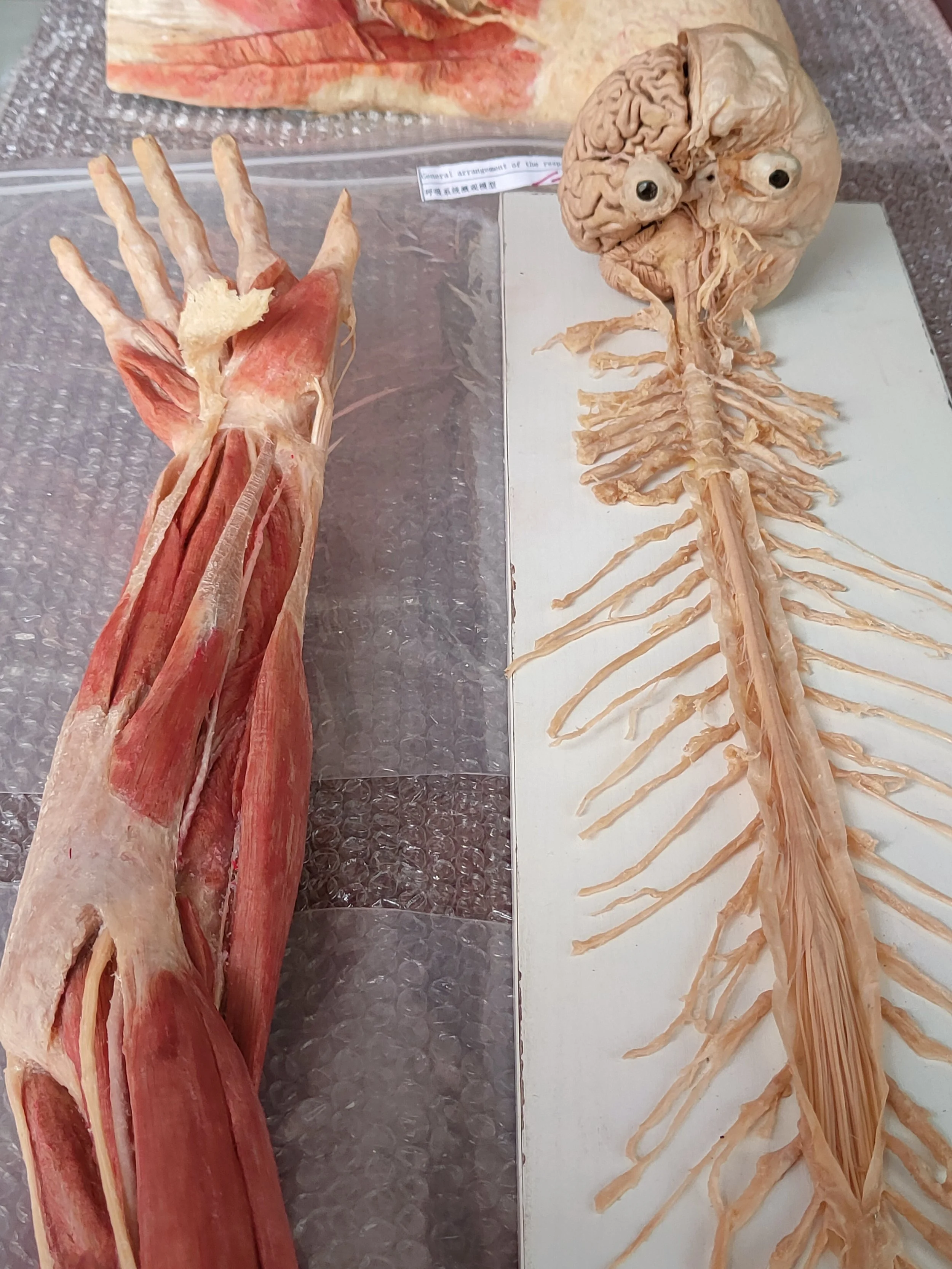
A prosection from a medical school in Manila, Philippines - the person was from China, possibly an executed criminal.

In the history of anatomy and the study of the dead, German anatomist Gunther von Hagens, who died July 2026, was a true revolutionary. He invented plastination in 1977, a complex embalming technique which involved replacing a dead body's fluids and fats with polymer and rubber. For centuries before that, preserving a corpse was trial, error and a lot of stink, and involved everything from clotted pig's blood to oil of lavender and immersion in honey.

He and his wife, the anatomist Dr Angelina Whalley, staged their first exhibition in 1995 in Tokyo. Since then, millions have seen their Body Worlds shows globally. Before his death, he said he wanted to be plastinated; I wonder how he will be posed and in which show?

Gunther and Angelina saw Body Worlds as democratising who gets to see the dead. Gunther has given a lot of interviews but when working on my book, I found the most compelling discussion of Body Worlds was a 2008 interview Angelina gave when their show was on in Salt Lake City.

‘We touched somehow a taboo in exhibiting human remains in public,’ she says, and then explains while anatomy once flourished in Europe in the 17th and 18th centuries, and it was ‘absolutely accepted to do public autopsies’, over time it ‘was finally hidden in the ivory towers of the universities—so lay people never ever had the chance to see what a real human body looks like. And now we revive this old tradition.’
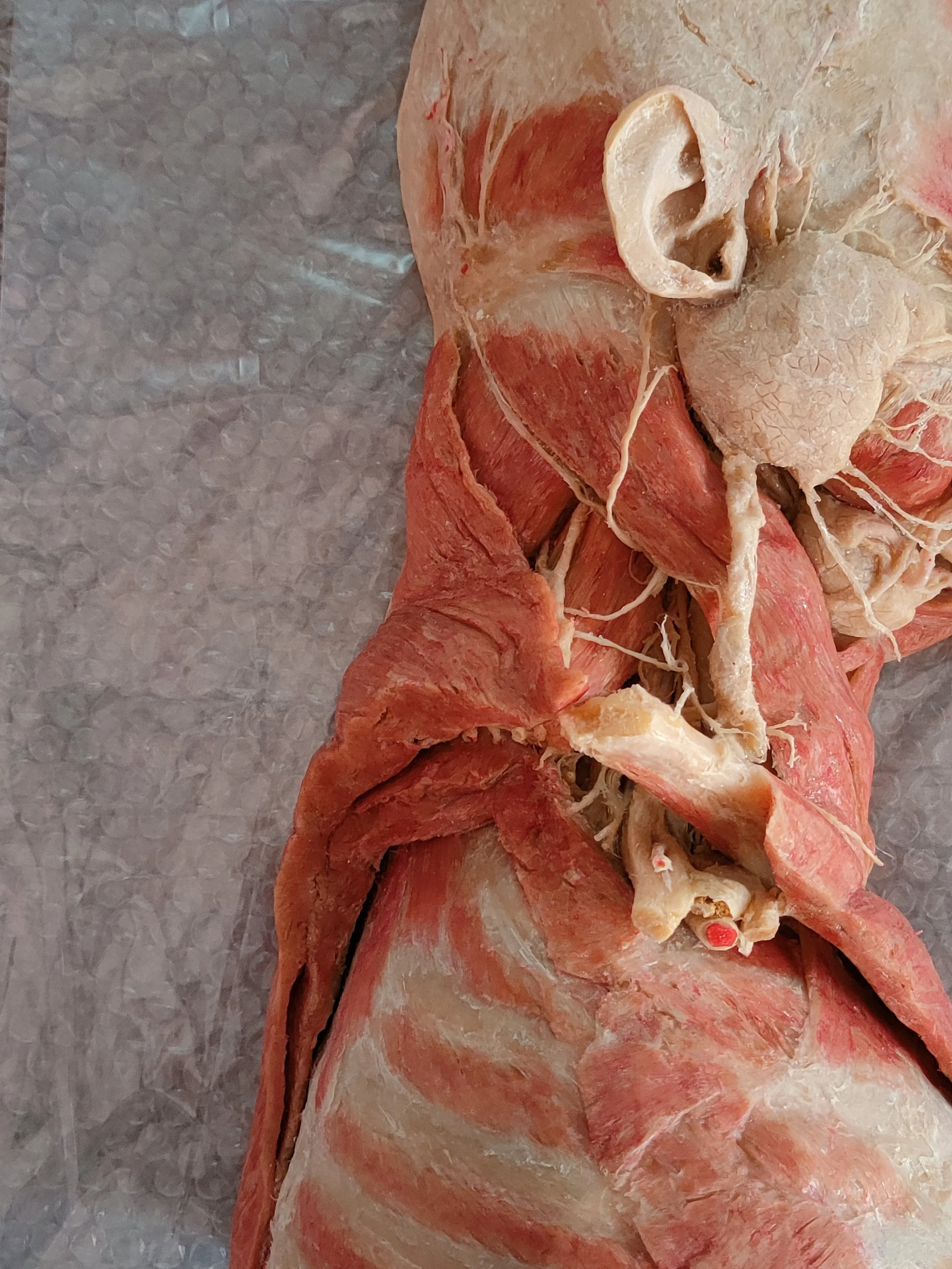
A plastinated person at a medical school in Manila, Philippines.

‘I think the understanding of the body interior and what anatomy is about . . . is unfortunately, very much determined by the Hollywood industry and the horror movies around it. So in people’s mind, anatomy is something very ugly and dirty and smelly, and better hidden in the basement,’ she says.

I found it interesting to hear in her interview that they initially displayed the plastinated bodies straight, like anatomical models. But at the first show in Japan, the visitors said they looked interesting but also ‘a little frightening because they look so dead’.

‘And that was the moment we felt immediately reminded by the old Renaissance artists and anatomists,’ she says. ‘For them, it was absolutely natural to see the body in nature. And if you look at these beautiful drawings they left behind, you see, they are all in very natural, lifelike poses, and sometimes even put in nice landscapes.’

Not everyone has loved their work. At a London show in 2002, a man poured red paint on the floor in protest and put a blanket over a flayed mother with a baby in her womb. One exhibit was later attacked with a hammer. In 2004, Gunther was also accused of using executed criminals from China in his exhibitions. Note the image above is of a Chinese person from a medical school in Manila, Philippines.

In 2018 the ethics committee of the International Federation of Association of Anatomist published a paper raising ‘serious’ ethical concerns about von Hagens’ use of plastinated human remains in commercial exhibits, as well as questioning whether it was appropriate to inspire morbid curiosity in the public. What do you think? I think it’s crap.

FYI … the ideal person to plastinate was someone who’s not too fat, had good arteries and died of old age.

I met a few emblamers and one expert in plastination told me the ideal candidate was someone who wasn't too fat, had good arteries, and died of old age.

#anatomy#bodyworlds

Previous
Previous

Birds on trains

Next
Next

How war became a place to find yourself